
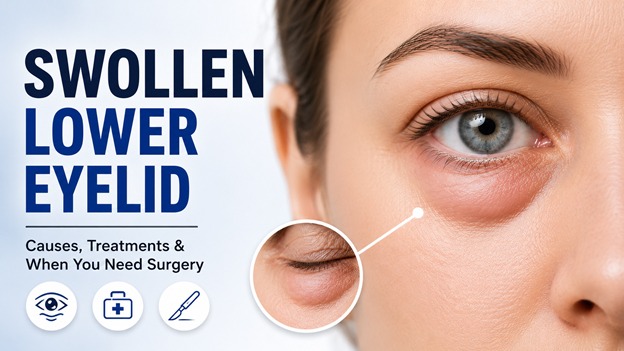
A swollen lower eyelid can be uncomfortable, frustrating, and sometimes concerning. While mild swelling may result from dynamic environmental allergies, fatigue, or acute irritation, persistent puffiness beneath the eyes can occasionally indicate deeper structural ageing changes or underlying medical conditions requiring professional assessment.
Many patients searching for a comprehensive medical evaluation want to know whether under-eye swelling can be managed successfully through non-surgical therapy or whether a corrective structural procedure may eventually become necessary.
At our medical clinic, patients are commonly assessed for both cosmetic and functional causes of lower eyelid swelling, structural hollowing, and prominent under-eye bags.
What Causes Lower Eyelid Swelling?
There are many possible medical and physiological causes of under-eye swelling, ranging from temporary fluid retention to distinct structural changes in facial tissue.
Common causes include:
- Allergic reactions and environmental irritants.
- Systemic fluid retention and sinus congestion.
- Acute physical fatigue and lack of consistent sleep.
- Localized dermatological or deep-tissue infections.
- Natural chronological ageing patterns and genetic traits.
- Skin laxity and weakening of the orbital septum.
The visual appearance of swelling can vary dramatically from mild morning puffiness to highly prominent, permanent eye bags.
Temporary Swelling vs Chronic Puffiness
Short-term swelling often fluctuates dynamically throughout the day and may improve with rest, hydration, or specialized allergy treatments. Conversely, chronic lower eyelid puffiness is more commonly linked to distinct mechanical issues:
- Fat prolapse beneath the ocular area.
- Severe skin laxity and loss of structural collagen.
- Gradual weakening of the supporting orbital tissues.
- Age-related volumetric shifts in the midface.
These deeper structural changes generally do not resolve with topical creams or cosmetic masks alone.
Ageing and Under-Eye Bags
As facial anatomy matures, skin loses its natural elasticity, underlying tissues weaken, and protective fat around the eyes becomes more prominent as it bulges forward. The smooth transition between the lower eyelid and upper cheek becomes interrupted, creating deep eye bags, hollow tear troughs, visible shadowing, and a chronically tired appearance.
Genetics also play a significant role, meaning some individuals develop distinct under-eye puffiness relatively early in life, regardless of sleep quality.
Clinical Treatment Alternatives
Appropriate management depends entirely on diagnosing the precise underlying cause of the swelling.
1. Allergy-Related Swelling
If environmental triggers are responsible, standard daily management may include targeted allergy medications, complete avoidance of specific triggers, cool compresses, and anti-inflammatory treatments.
2. Infection or Acute Medical Issues
Redness, persistent pain, severe fluid discharge, or sudden-onset swelling should always be assessed immediately by a medical specialist to rule out infection. For conditions involving chronic fluid buildup or blockages that do not respond to medication, undergoing specialized swollen lower eyelid surgery may be recommended to restore normal function and appearance.
3. Cosmetic Puffiness
When structural tissue shifts are responsible for the heavy bags, specific cosmetic solutions can be explored to restore facial smoothness.
Non-Surgical Eye Bags Management
Some mild cases of fluid retention may improve with focused clinical skincare, optimal systemic hydration, sleep adjustments, and active allergy management. However, patients should understand that topical treatments cannot remove deep fat prolapse or reverse severe skin laxity.
When Is Lower Eyelid Surgery Considered?
An advanced surgical intervention may be considered when localized puffiness becomes completely persistent, structural under-eye bags are highly prominent, or non-surgical options provide limited visual improvement.
To address permanent structural bags, remove fat pads, and smooth out loose skin for aesthetic reasons, you can explore the clinical overview of our primary lower blepharoplasty in Cape Town landing page. This targeted procedure aims to correct under-eye puffiness and restore a refreshed, natural contour that blends seamlessly into the cheeks.
What Happens During Structural Eyelid Surgery?
A standard lower lid procedure can involve precise fat repositioning, minor fat reduction, skin tightening, and enhanced muscle support. The exact surgical approach depends heavily on your individual skin quality, mid-face anatomy, and the severity of the tissue puffiness.
For patients looking to understand the full procedural framework, our comprehensive guide on blepharoplasty surgery in Cape Town outlines how custom surgical plans are structured for full-eye rejuvenation.
Recovery After a Structural Procedure
Following a corrective procedure, patients typically experience localized swelling, minor bruising, and a feeling of mild tightness around the eye muscles. Most visible bruising resolves during the first two weeks, though subtle swelling continues settling over several months. Standard recovery instructions include sleeping with the head elevated, avoiding strenuous activity, using cool compresses, and applying proper sun protection.
When to See a Doctor for a Swollen Eyelid
A formal medical assessment is critical if your lower eyelid swelling is associated with any of the following symptoms:
- Sharp or throbbing pain.
- Sudden, unexplained onset.
- Changes in visual acuity or field of vision.
- Fever, severe local redness, or discharge.
- Recent facial trauma or deep irritation.
Not all swollen lower eyelids are cosmetic concerns; some cases represent active medical conditions that require immediate clinical treatment.
Choosing Your Eyelid Specialist
The lower eyelid is one of the most delicate zones of the face. Surgical planning requires deep expertise in managing skin tension, maintaining lower lid support, and preserving natural facial balance.
Working with an experienced, specialized practitioner is essential for achieving a safe and visually balanced outcome. You can learn more about verifying credentials by reading our detailed guide on choosing the right eyelid surgeon.
Final Thoughts
A swollen lower eyelid can result from many different causes, including allergies, fluid tracking, genetics, or structural medical conditions. While some forms of superficial swelling improve with conservative treatment, persistent under-eye bags and structural puffiness often require precise correction for long-term improvement.
The first step to successfully treating your issue is understanding the cause. If you are dealing with chronic puffiness under your eyes and wondering about the most suitable path forward, scheduling a professional evaluation is the safest approach. You can book an appointment with our specialist oculoplastic team to discuss a personalized evaluation and find the right solution for healthier, refreshed eyes.