
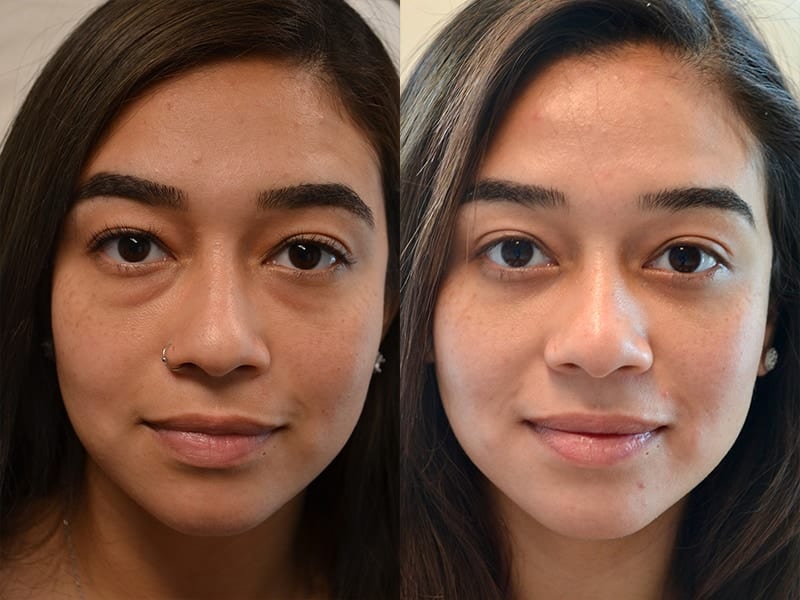
Lower eyelid surgery is one of the most precise and technically demanding facial procedures in Cape Town. It can dramatically improve under-eye bags, dark circles, and signs of fatigue — but only when performed by a highly skilled surgeon. Patients who want to understand the procedure better, you can also explore blepharoplasty in Cape Town.
This guide outlines what to look for, which questions to ask, and how to ensure safe, effective outcomes.
What Is Lower Eyelid Surgery?
Lower eyelid surgery Cape Town, commonly referred to as lower blepharoplasty, focuses on improving the area beneath the eyes. It may involve:
- Removing or repositioning excess fat
- Tightening loose skin
- Improving the eyelid-cheek transition
Lower eyelid surgery is frequently chosen by patients struggling with:
- Persistent under-eye bags
- Lower eyelid laxity
- Tired or aged appearance
- Lower eyelid surgery for dark circles caused by shadowing
Why Lower Eyelid Surgery Requires Expertise
The lower eyelids are delicate structures responsible for eye protection and tear distribution. Poor surgical technique can lead to complications such as eyelid malposition or an unnatural appearance.
A skilled surgeon performing lower eyelid surgery in Cape Town understands how to preserve eyelid support while enhancing aesthetics — a balance that only experience can achieve.
What to Look for in a Lower Eyelid Surgeon
Specialised Facial Experience
Lower eyelid surgery is not a “general” cosmetic procedure. Look for a surgeon with extensive experience in facial and eyelid surgery, particularly lower blepharoplasty.
Conservative, Natural Results
Modern lower eyelid surgery focuses on fat repositioning rather than aggressive removal. This avoids the hollowed look that can make patients appear older.
Review before-and-after images and note whether results look refreshed rather than over-corrected.
Thorough Assessment
An experienced surgeon will evaluate:
- Skin quality
- Fat distribution
- Eyelid tone
- Facial structure
This determines whether you need lower eyelid surgery alone or combined upper & lower eyelid surgery for balanced results.
Key Questions to Ask Your Surgeon
During your consultation, consider asking:
- Am I a good candidate for lower eyelid surgery?
- Would lower blepharoplasty alone address my concerns?
- Is my concern related to fat, skin, or pigmentation?
- Would combined upper & lower eyelid surgery improve balance?
- What technique do you recommend and why?
- What is the recovery timeline?
- What risks should I be aware of?
Clear explanations reflect confidence, experience, and patient-centred care.
Lower Eyelid Surgery for Dark Circles
Many patients seek lower eyelid surgery for dark circles, but it’s important to understand the cause. Dark circles may result from:
- Shadowing caused by fat bulges
- Volume loss
- Thin skin revealing blood vessels
- Pigmentation
You can also read our detailed guide on lower eyelid surgery procedure, benefits and recovery to better understand the full treatment journey.
Combining Upper and Lower Eyelid Surgery
In some cases, treating only the lower eyelids may create imbalance. Combined upper & lower eyelid surgery can deliver a more harmonious rejuvenation by addressing the entire eye area.
Your surgeon should explain whether combination surgery is suitable or if staged procedures would be safer. If you are exploring options for upper eyelid correction as well, learning about eyebrow lift treatment in Cape Town may also be helpful when discussing facial balance with your surgeon.
Recovery and Healing
Recovery after lower eyelid surgery in Cape Town varies depending on technique and individual healing. Most patients experience:
- Temporary swelling and bruising
- Mild tightness or dryness
- Gradual improvement over several weeks
For added peace of mind, patients should also understand cosmetic surgery safety, risks, and patient rights in Cape Town before proceeding.
If you are considering lower eyelid surgery and want personalised advice, scheduling a consultation with an experienced eyelid specialist can help determine the most appropriate treatment for your concerns.