
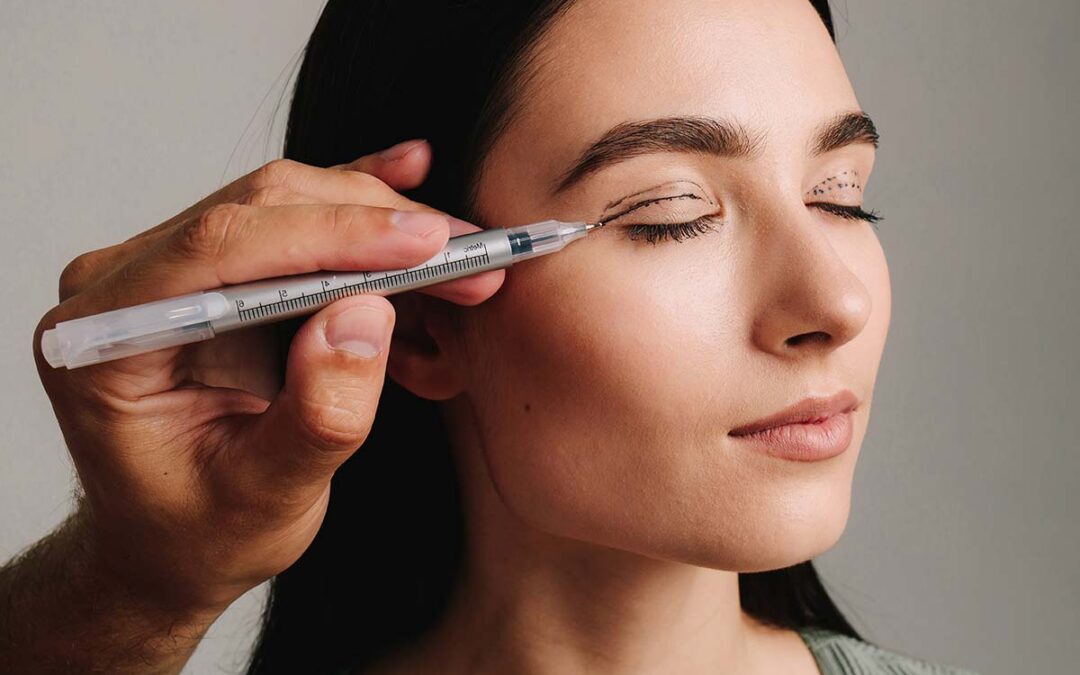
When you look in the mirror and notice your eyelids looking heavier, puffier, or more tired than before, you may start to consider eyelid surgery. But should you focus on the upper eyelids, lower eyelids, or both? Understanding the difference between the two types of blepharoplasty can help you make an informed decision about your next step toward rejuvenation. Learn more about eyelid surgery Cape Town.
At Youreyelids, skilled eyelid surgeons perform precise procedures to restore balance and brightness to the eyes while maintaining natural expression and function.
What Is Blepharoplasty?
Blepharoplasty is the medical term for eyelid surgery, a delicate procedure that removes or repositions excess skin, fat, and muscle on the eyelids. Depending on your needs, it can be performed on the upper eyelids, lower eyelids, or both.
While the goal is often aesthetic — to look more rested, youthful, and alert — blepharoplasty can also have functional benefits, such as improving vision when drooping upper lids obstruct your line of sight.
Learn more about blepharoplasty surgery in Cape Town techniques.
What Is Upper Blepharoplasty?
Upper blepharoplasty focuses on removing excess skin and fat from the upper eyelids. This is ideal for patients experiencing drooping eyelids or vision obstruction due to sagging skin.
Explore upper eyelid surgery to understand how this procedure works and expected results.
During upper blepharoplasty:
- An incision is made in the natural eyelid crease, concealing any future scar.
- Excess skin and, if necessary, fat are removed.
- The eyelid muscle is gently tightened for better contour.
- The incision is closed with fine sutures for a smooth finish.
The result is a lighter, more defined upper eyelid that opens up the eyes and enhances your natural expression. This procedure is especially popular among patients whose drooping lids interfere with applying makeup or, in more severe cases, with their vision.
What Is Lower Blepharoplasty?
Lower blepharoplasty addresses puffiness, under-eye bags, and wrinkles beneath the eyes. It helps restore a smoother, more youthful appearance to the under-eye area.
Learn more about lower eyelid surgery and available treatment options.
During lower blepharoplasty:
- The surgeon makes an incision either just below the lash line or inside the eyelid (a transconjunctival approach).
- Fat pads are repositioned or removed to smooth out bulges.
- Loose skin and muscle are tightened for a flatter, more youthful contour.
After healing, patients enjoy smoother under-eyes, reduced puffiness, and an overall brighter appearance.
Upper vs. Lower Blepharoplasty: A Side-by-Side Comparison
| Feature | Upper Blepharoplasty | Lower Blepharoplasty |
| Primary concern | Sagging, hooded upper eyelids | Puffiness, bags, and wrinkles under the eyes |
| Main goal | Open and lift the eyes | Smooth and flatten the under-eye contour |
| Incision location | In the natural upper eyelid crease | Below the lash line or inside the eyelid |
| Common benefits | Improves vision, restores youthful lid crease | Reduces eye bags, refreshes tired look |
| Recovery time | About 1 week | 1–2 weeks |
| Scar visibility | Hidden in eyelid crease | Minimal or none (transconjunctival) |
| Best suited for | Droopy upper lids or excess skin | Puffy or sagging lower lids |
Your surgeon will guide you on which procedure, or combination, is best for your desired results.
When Both Procedures Are Combined
Many patients undergo both upper and lower blepharoplasty in a single session. This approach provides comprehensive rejuvenation and ensures symmetry between the eyelids.
Benefits include:
- Balanced, harmonious results
- One recovery period instead of two
- A fully refreshed, youthful appearance
Recovery and Aftercare
Recovery after this procedure is usually smooth:
- First few days: Mild swelling and bruising; use cold compresses and rest eyelids.
- After one week: Most patients return to work or social activities.
- Two to three weeks: Final swelling subsides; refreshed appearance is visible.
The Youreyelids team provides detailed aftercare guidance, including cleaning, sun protection, and gradual activity resumption.
Choosing the Right Eyelid Surgeon
Because eyelids are intricate and expressive, this procedure requires precision and artistic sensitivity. At Youreyelids, all procedures are performed by specialists in eyelid rejuvenation, ensuring expert care, natural results, and minimal downtime.
When selecting your surgeon, look for:
- Proven experience with both upper and lower procedures
- A track record of natural, harmonious results
- Transparent consultation and aftercare process
A consultation with a qualified eyelid surgeon can help determine the most suitable approach based on your goals.
Complementary Enhancements
Blepharoplasty can be combined with:
- Brow lift to elevate drooping brows
- Laser skin resurfacing to smooth fine wrinkles
- Dermal fillers or fat grafting to restore volume
These treatments enhance and maintain surgical results.
Final Thoughts
Whether you need upper blepharoplasty, lower blepharoplasty, or both, understanding your options helps you move forward with confidence. With modern techniques, you can refresh your eyelids, restore balance, and achieve a naturally rejuvenated appearance.